

Specialist Parkinson’s Physiotherapy in Essex & London
We provide specialist Parkinson’s physiotherapy for individuals experiencing changes in walking, balance, mobility and everyday function. Our senior neurological physiotherapists deliver personalised rehabilitation programmes focused on gait training, balance rehabilitation, movement confidence and maintaining independence as Parkinson’s disease progresses.
Treatment is delivered through home visit physiotherapy across Essex and London, allowing rehabilitation to take place safely within your own environment.
- ✔ Specialist neurological physiotherapists experienced in Parkinson’s disease
- ✔ HCPC-registered and Chartered Society of Physiotherapy (CSP) members
- ✔ Personalised Parkinson’s physiotherapy and rehabilitation programmes
- ✔ Walking, balance and falls prevention rehabilitation
- ✔ Goal-led treatment focused on independence and everyday function
How Parkinson’s Physiotherapy Can Help
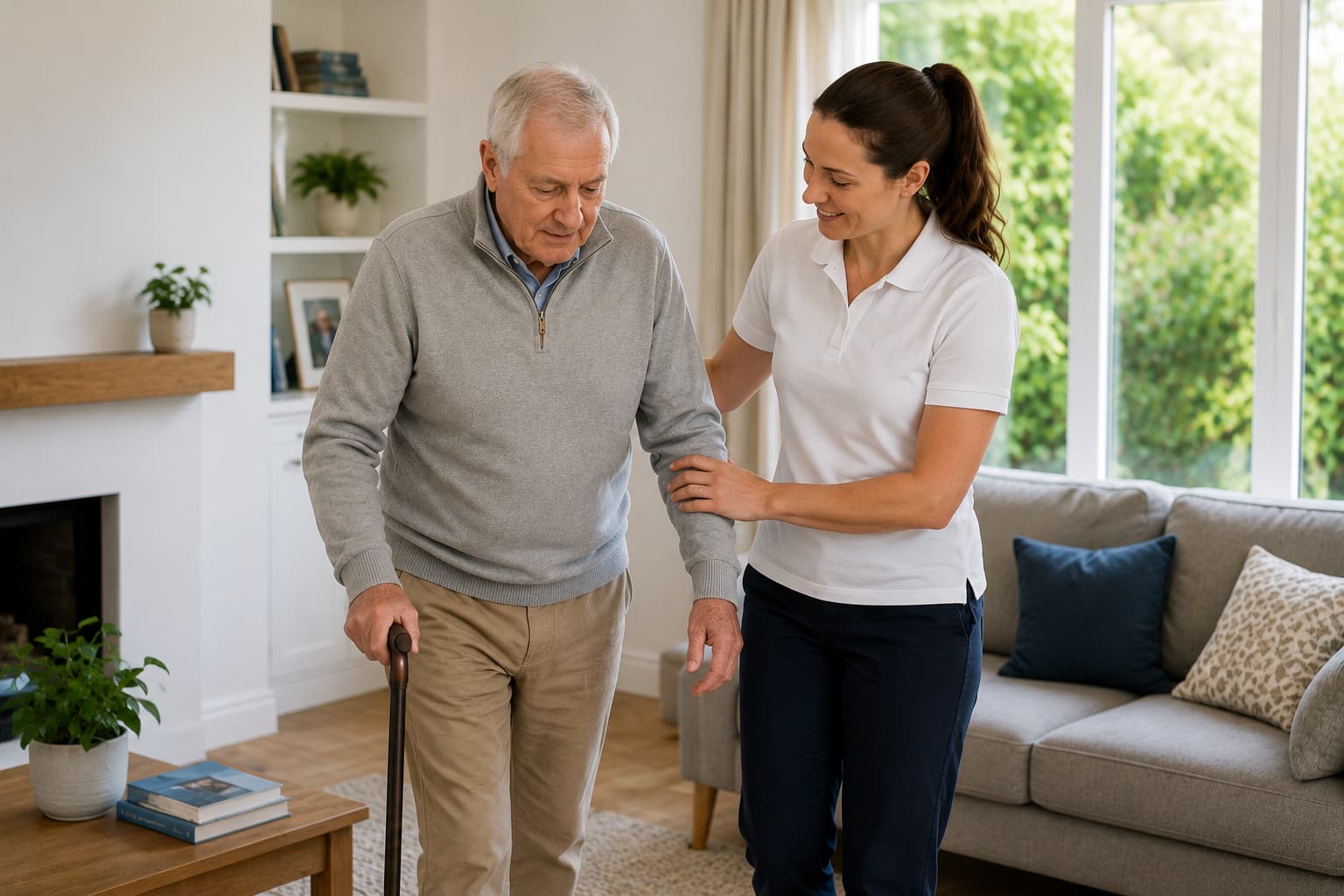
Parkinson’s disease is a progressive neurological condition that can affect walking, balance, mobility, posture and everyday function. As symptoms develop, many people experience slower movement (bradykinesia), muscle stiffness, reduced confidence when walking and an increased risk of falls. Specialist Parkinson’s physiotherapy aims to address these movement challenges through personalised assessment, rehabilitation and exercise programmes tailored to the individual.
Physiotherapy for Parkinson’s disease focuses on maintaining mobility, strength and independence. Treatment may include gait training, balance rehabilitation, movement retraining, strength exercises and practical strategies to improve confidence during everyday activities. Parkinson’s care often involves a multidisciplinary team, which may include physiotherapists, occupational therapists, Parkinson’s nurses and speech and language therapists working together to support long-term wellbeing.
At Estuary Physio, our specialist neurological physiotherapists provide evidence-based Parkinson’s physiotherapy through our home visit physiotherapy service . Every programme begins with a detailed physiotherapy assessment and is tailored to your current abilities, goals and stage of Parkinson’s disease, helping you maintain movement, independence and confidence for as long as possible. For more information about the condition itself, you can read our guide to Parkinson’s disease symptoms, causes and progression.
Why Physiotherapy Is Important for Parkinson’s Disease
Parkinson’s physiotherapy plays a key role in helping people manage movement difficulties and maintain independence as the condition progresses. Many people experience changes in walking, balance, posture and coordination, which can affect confidence and everyday activities. A structured physiotherapy programme aims to address these challenges through targeted assessment, rehabilitation and movement training.
Research shows that regular physical activity and evidence-based physiotherapy can help improve mobility, balance and functional movement in people living with Parkinson’s disease. Treatment may include gait training, strength exercises, balance rehabilitation, transfer practice and strategies to improve movement confidence while reducing the risk of falls.
A specialist Parkinson’s physiotherapist can assess walking patterns, posture, turning movements and freezing episodes, helping develop practical strategies that support safer movement during everyday activities. Physiotherapy programmes are personalised and adapted as symptoms change, ensuring treatment remains relevant to individual goals and abilities.
For many people living with Parkinson’s disease, physiotherapy forms an important part of long-term management. Regular review and progression of exercises can help maintain mobility, support independence and encourage continued participation in everyday activities.
Speak With a Parkinson’s Physiotherapy Specialist
If you or a family member are living with Parkinson’s disease, specialist physiotherapy can help improve mobility, balance and independence. Our experienced neurological physiotherapists provide personalised rehabilitation programmes across Essex and London.
Parkinson’s Physiotherapy Rehabilitation Approach
Parkinson’s physiotherapy focuses on maintaining movement, mobility and independence as the condition progresses. At Estuary Physio, our specialist neurological physiotherapists carry out detailed assessments and design personalised rehabilitation programmes that address the specific movement challenges associated with Parkinson’s disease, including reduced balance, slower walking speed, muscle stiffness, freezing episodes and postural changes.
Rehabilitation programmes typically include strength training, resistance exercises, balance exercises, gait training and functional movement practice. Core strengthening is also important for supporting upright posture and improving stability during everyday movement. High amplitude movement strategies are often used to help people overcome the smaller and slower movements commonly seen in Parkinson’s.
Physiotherapy programmes may also include dual task training, where physical movement is combined with cognitive tasks to improve coordination and everyday function. Physiotherapists can teach practical strategies to help manage freezing episodes, improve turning movements and increase walking speed, stride length and movement confidence.
Regular physical activity and structured physiotherapy have been shown to benefit people living with Parkinson’s disease. Targeted rehabilitation can improve mobility, maintain muscle strength and support long-term self-management, helping people remain active, confident and independent for longer.
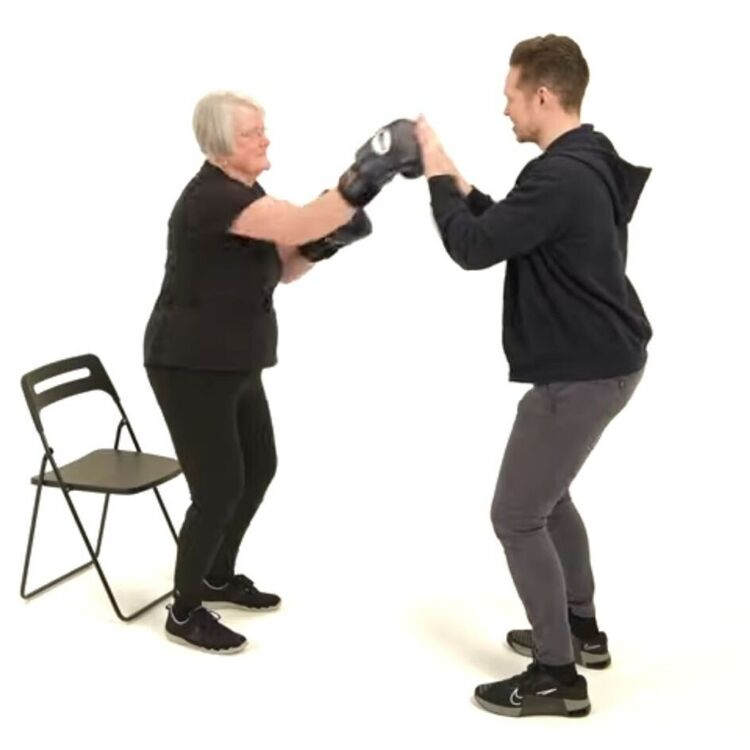
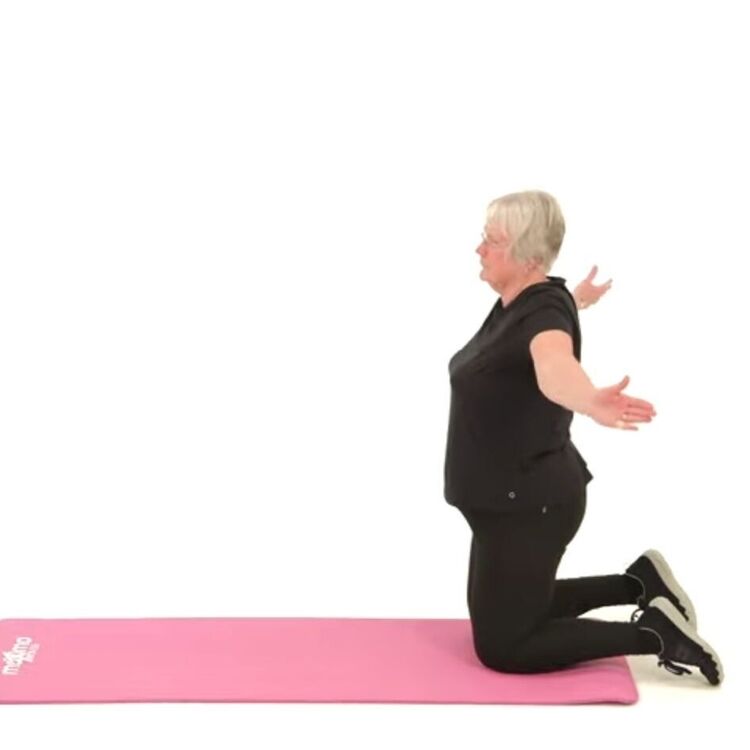
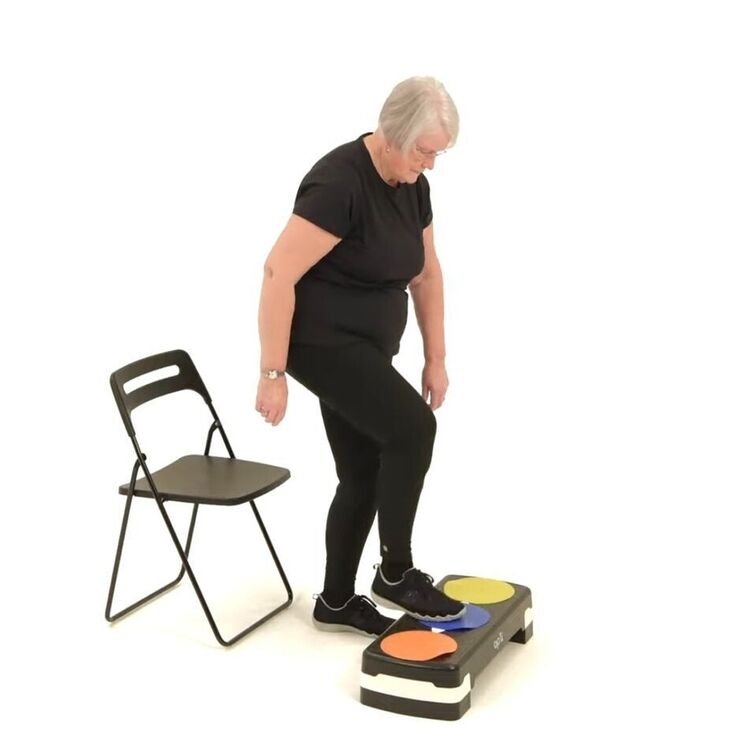
Parkinson’s physiotherapy is often most effective when introduced early, including for people who have been recently diagnosed. Following a detailed assessment, your physiotherapist will develop a personalised rehabilitation programme tailored to your symptoms, goals and current abilities. Treatment may include gait training, balance rehabilitation, strength exercises, movement retraining and strategies to manage freezing episodes. Where appropriate, rehabilitation may also involve collaboration with occupational therapists, Parkinson’s nurses and other healthcare professionals to provide coordinated support and help maintain independence over the long term.
1.High Amplitude Movement Training
We modify the amplitude and speed of movements to help combat the stiffness, slowness and restrictions resulting from Parkinson’s. These high amplitude exercises are designed to strengthen the muscles affected by Parkinson’s, improving their function and supporting better movement. Strengthening exercises are important for maintaining mobility and reducing muscle stiffness
2. Dual tasking:
Often with Parkinson's movements can become less automatic and more conscious, making it difficult to multi task and concentrate on the world around us. Most everyday tasks involve doing more than one thing at once (standing to brush our teeth, walking whilst holding the dog lead etc). It's essential to incorporate exercises which challenge mental processing and encourage you to do more than one task at a time, preparing you for the real world
3. High intensity circuits and cardio fitness:
High intensity exercise has been shown to improve neuronal activity and delay the progression of Parkinson’s. We use heart rate monitoring equipment to help clients achieve the desired intensity to achieve the best results.
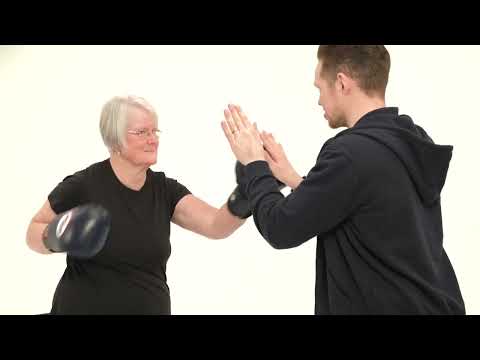
4. Bespoke therapy which meets your requirements:
No matter what level you are at, exercise can be tailored to meet your needs and help you towards your goals. Exercises can start from your chair and be advanced as you progress.
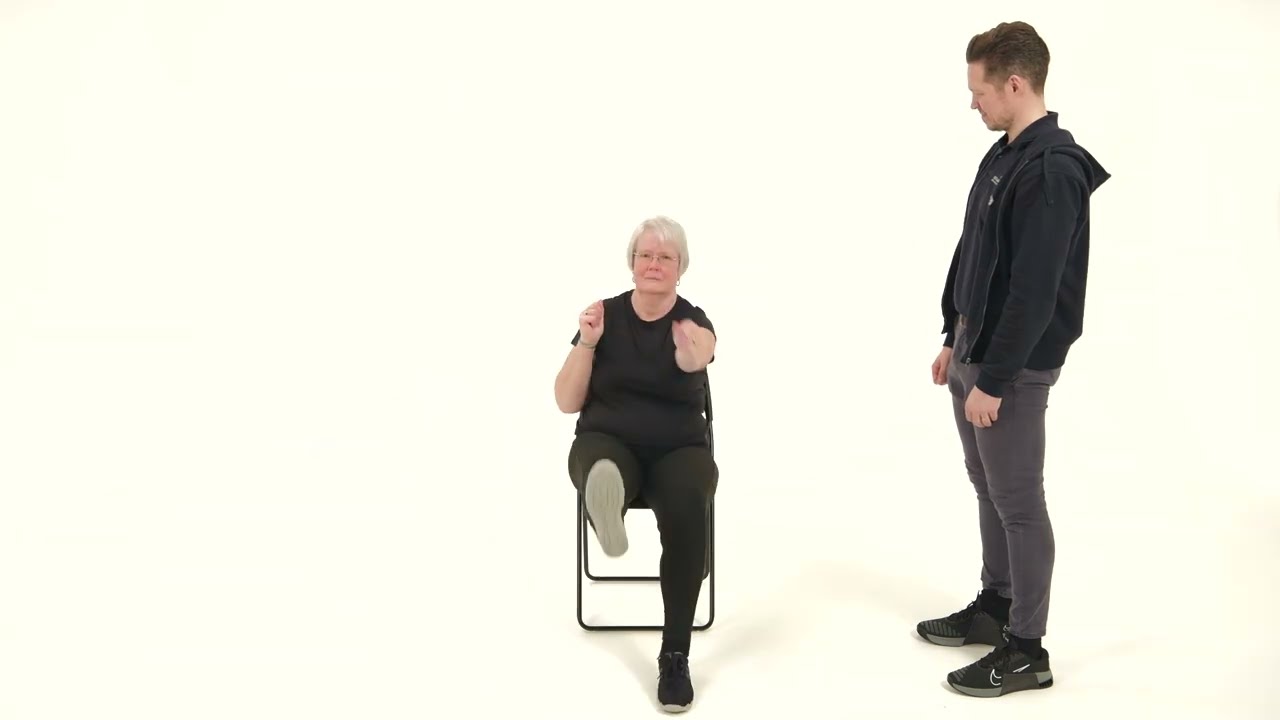
During your initial assessment with one of our specialist neurological physiotherapists, we will discuss how Parkinson’s disease is currently affecting your movement, mobility and daily activities.
Whether you have been recently diagnosed or have been living with Parkinson’s for some time, the assessment helps us understand your individual challenges and rehabilitation needs.
A detailed neurological assessment will be carried out, which may include activities that assess your balance, strength, coordination and ability to dual task (perform more than one activity at once).
These findings allow our clinicians to build a personalised rehabilitation programme and provide a baseline from which progress can be monitored over time.
Your physiotherapist will also discuss your personal goals and priorities. Based on this information, we will help design a bespoke exercise programme tailored to your current abilities and rehabilitation objectives.
As your programme progresses, exercises can be adapted to reflect improvements in strength, mobility and confidence. After the initial rehabilitation period, many patients choose to continue with periodic review sessions to monitor progress and adjust their exercise programme as needed.
Common Rehabilitation Goals for People with Parkinson’s
Parkinson’s disease affects people in different ways, and physiotherapy programmes are always tailored to the individual. However, many people with Parkinson’s share similar movement challenges, particularly with walking, balance, posture and everyday activities. Physiotherapy focuses on maintaining mobility and helping people remain independent for as long as possible.
Rehabilitation programmes are designed to address the physical changes associated with Parkinson’s disease while supporting long-term self management and physical activity. Treatment may focus on improving muscle strength, movement control and confidence during daily tasks.
- ✔ Improving walking ability and movement confidence
- ✔ Increasing balance and reducing the risk of falls
- ✔ Maintaining muscle strength and mobility
- ✔ Supporting posture and functional movement
- ✔ Helping people remain independent in everyday activities
- ✔ Building long-term exercise habits to stay active
Why Choose Estuary Physio for Parkinson’s Physiotherapy
Estuary Physio provides specialist neurological physiotherapy for individuals living with Parkinson’s disease across Essex and London. Our clinicians have extensive experience supporting people with movement disorders and understand the complex changes in mobility, balance and muscle control that Parkinson’s can cause. Every rehabilitation programme is carefully tailored to the individual, focusing on improving movement, maintaining strength and supporting long-term independence.
We take a structured and goal-focused approach to Parkinson’s rehabilitation. Treatment programmes combine evidence-based exercise, functional movement training and personalised activity plans designed to help people stay active and confident in everyday life.
Parkinson’s care often involves a multidisciplinary approach. Our physiotherapists may work alongside Parkinson’s nurses, occupational therapists, GPs and other healthcare professionals when appropriate, helping ensure patients receive coordinated support throughout their rehabilitation journey.
What Families Say About Their Rehabilitation With Estuary Physio
“Barry really listened to our struggles and took time to understand not only the symptoms, but how daily life was affected. The rehabilitation programme was structured yet manageable. I would thoroughly recommend Barry and his team.”
— Leanne K
“Without Estuary Physio, my husband would likely be bedridden. Their expertise and structured approach helped get him up and mobile again. We can’t praise them enough.”
— Brenda M
“After back surgery and missing physiotherapy during Covid, I was anxious about starting rehab. The professionalism, empathy and clear guidance during home visits made all the difference.”
— Mark K
“Charly’s expertise for my condition has been outstanding. My mobility is improving day by day and I feel more confident.”
— Stephen M
Frequently Asked Questions About Parkinson’s Physiotherapy
When should physiotherapy start for Parkinson’s disease?
Physiotherapy can begin at any stage of Parkinson’s disease and is often most beneficial when started early, particularly soon after diagnosis. Early physiotherapy helps people develop good movement habits, maintain strength and balance, and stay physically active as the condition progresses.
Can physiotherapy help slow Parkinson’s symptoms?
While physiotherapy cannot cure Parkinson’s disease, regular exercise and structured rehabilitation programmes can improve mobility, balance and walking ability. Research shows that staying physically active can support brain health and help people manage symptoms more effectively.
What exercises are helpful for people with Parkinson’s?
Physiotherapy programmes often include strength training, resistance exercises, balance exercises and walking practice. High-amplitude movement training and functional movement exercises can help improve coordination, mobility and everyday movement.
Can physiotherapy help reduce falls in Parkinson’s?
Yes. Physiotherapy can improve balance, posture and walking confidence, which can help reduce the risk of falls. Physiotherapists also teach movement strategies and exercises designed to improve stability during everyday activities.
Do people with Parkinson’s need other healthcare professionals?
Many people living with Parkinson’s benefit from a multidisciplinary approach. This may include physiotherapists, occupational therapists, Parkinson’s nurses and speech and language therapists who help support mobility, communication and daily living activities.
Can physiotherapy help maintain independence with Parkinson’s?
Physiotherapy aims to help people remain independent for as long as possible. Treatment focuses on maintaining mobility, strength and confidence in daily living activities such as walking, transferring and managing tasks around the home.
Related Neurological Physiotherapy Services
Our physiotherapists provide specialist neurological rehabilitation across Essex and London for a range of neurological conditions affecting mobility, balance and independence.
Parkinson’s Physiotherapy Across Essex & London
London
Specialist Parkinson’s Physiotherapy

We provide specialist Parkinson’s physiotherapy across Central and Greater London, delivering structured rehabilitation programmes designed to improve mobility, balance and independence.
View London Coverage →Essex
Specialist Parkinson’s Physiotherapy
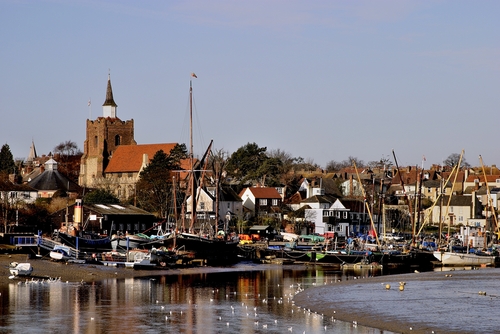
Our physiotherapists support people living with Parkinson’s disease across Benfleet, Basildon, Rayleigh, Southend, Chelmsford and surrounding areas with personalised rehabilitation programmes.
View Essex Coverage →Speak With a Parkinson’s Physiotherapy Specialist
If you or a family member are living with Parkinson’s disease, specialist physiotherapy can help maintain mobility, balance and independence. Our experienced clinicians provide personalised rehabilitation programmes across Essex and London.