


posted 7th October 2026
Understanding the Fear, Rebuilding Confidence and Supporting Safer Walking
By Barry Ford BSc MCSP, Chartered Physiotherapist
Can Physiotherapy Help an Older Parent Who Is Afraid to Walk After a Fall?
Yes, physiotherapy can help an older person who is afraid to walk after a fall. It starts by understanding their experience and assessing factors such as pain, strength, sensation, balance and the environment. Treatment may combine reassurance, appropriate exercises and supported practice of everyday movement. The starting point should feel achievable, with progress reviewed against goals that matter to the person.
KEY POINTS FOR FAMILIES
Fear after a fall is understandable. Listen before trying to persuade, seek help when confidence or mobility changes, and support only the activities agreed as safe. Physiotherapy can address some contributors to falls, but cannot eliminate every risk or guarantee recovery. New injury, blackouts or signs of illness need appropriate medical assessment before progressing activity.
Understand the Fear
Listen to what worries your parent and assess what is making walking difficult.
Start With Achievable Steps
Choose activity that feels manageable, with the right support and equipment.
Support Independence
Encourage the agreed plan and recognise progress while providing necessary help.
A parent who previously walked around the house or went out with family may become hesitant after a fall. They might say, “I’m going to fall again,” avoid standing or stop activities they used to enjoy. The useful starting question is: what would help this person feel sufficiently safe to begin moving again?
Our approach to physiotherapy for older adults considers both the physical difficulties and the confidence needed to return to everyday activity.
Has Your Parent Lost Confidence After a Fall?
Our clinical team can discuss the changes you are seeing and whether a home physiotherapy assessment would be an appropriate next step.
Discuss Your Parent’s NeedsWhy Can an Older Person Become Afraid to Walk After a Fall?
A fall can be frightening and, for some people, traumatic. Even when an injury has healed, the memory of losing balance may remain. Someone may worry about pain, being unable to get up or becoming dependent on other people.
Fear and physical difficulties can also coexist. A painful knee, reduced leg strength or altered sensation may make the person feel less secure. Understanding those difficulties helps us decide what needs treatment and what support is appropriate.
Avoiding activity can become a pattern: the person does less because they are worried, then has fewer opportunities to practise movement and regain confidence. NHS inform explains how fear of falling can affect confidence and daily life .
What Does a Physiotherapist Assess First?
I begin by listening. What happened? What does the person remember? Have there been previous falls or near-misses? What are they afraid might happen now? Some people can explain this clearly; others need time, adapted communication or help from someone who knows them well.
With appropriate consent, observations from relatives and carers can be valuable. They may have noticed when walking became difficult, whether the person seems dizzy or whether a particular situation triggers the fear.
The assessment then considers factors relevant to the individual, which may include:
- Pain, joint movement and muscle strength
- Sensation and awareness of the position of the legs and feet
- Balance and walking during suitable, supervised tasks
- Dizziness, relevant blood-pressure checks and symptoms needing medical review
- Vision, footwear, walking aids and the home environment
- The assistance needed and the activities the person wants to return to
For example, if knee pain is making someone feel unstable, reassurance alone will not address the whole problem. We need a plan for the knee alongside a manageable way to maintain or rebuild function. Our broader guide explains how physiotherapy fits into falls assessment and prevention .
How Do You Help Someone Start Moving Again?
First, acknowledge what they have been through. Saying “there’s nothing to worry about” may feel dismissive. A more helpful conversation explains what the assessment has found, which risks can be addressed and how the person will be supported.
A fall does not automatically mean that all previous progress has been lost or that repeated falls are inevitable. Equally, I would not promise someone that they cannot fall again. Reassurance should be grounded in their circumstances and the plan we can offer.
The first activity should be achievable. If someone is very frightened or weak, beginning with a demanding walking task may undermine confidence. Depending on the assessment, therapy might start with exercises in bed, supported sitting or a familiar movement that the person feels able to attempt.
From there, the therapist may gradually introduce standing or short walking practice, adjusting the challenge, support and rest periods. This is a gradual return to activity at a pace agreed with the person; it is not a fixed sequence everyone must follow.
Suitable seating, an assessed walking aid or specialist equipment may help the person feel more secure. The therapist should decide what is appropriate and teach any helpers how to use it. Families should follow that plan rather than improvise lifting techniques or supports.
A useful early achievement might be standing with the agreed support or reaching a familiar chair. Small, meaningful successes can give the person something positive to build on.
How Can Families Help Without Taking Over?
Adult children and carers understandably want to protect someone who has fallen. In my experience, there is a delicate balance between providing necessary assistance and unintentionally removing opportunities for the person to do things themselves.
If everything is done for them, they may gradually participate less. But protecting independence does not mean withdrawing care they need. The aim is to identify what they can safely do, provide the agreed assistance and allow time for them to take part.
- Ask for a clear plan: which activities can your parent practise, what help is needed and when should they stop?
- Offer choices: agree a suitable time and connect practice to something they value.
- Use specific encouragement: recognise an achievement, such as completing the agreed short walk.
- Allow time: avoid rushing or automatically completing a task your parent can safely attempt.
- Report changes: tell the therapist about new symptoms, difficulties or activities that have become easier.
Language matters. Repeated warnings can make an already anxious person feel that every movement is dangerous. Where the activity has been assessed as appropriate, calm encouragement can be more useful: “Let’s follow the plan together,” or “You managed that with the support we agreed.” Address actual hazards and symptoms when they arise.
If fear is leading your parent to decline therapy altogether, our article on what to do when an elderly parent refuses physiotherapy explores ways to understand their concerns and build trust.
Case Example: A Fall Did Not Erase Her Previous Progress
One of our associates supported a woman recovering from a significant stroke. This example involved a younger adult, but illustrates a principle relevant to older people too. Rehabilitation had helped her return to outdoor walking and activities she enjoyed.
After a fall during a cinema visit, she became distressed and reduced her walking both outdoors and at home. The associate reassessed her and discussed the circumstances of the fall.
The cinema involved lower lighting and steps. She already had weakness and reduced sensation, so these conditions presented additional challenges. The review suggested that the environment may have contributed; it did not establish a single definite cause.
The therapist helped her recognise that the walking ability she had regained still mattered. Once the reassessment indicated that it was appropriate, they completed a shorter walk near the clinic, closely supervised and at her pace. The purpose was a manageable opportunity to experience walking again, rather than a demanding session.
The approach combined reassurance with an explanation of what might need further practice. The next step was to plan a supported return to more challenging environments, with goals and progress reviewed along the way.
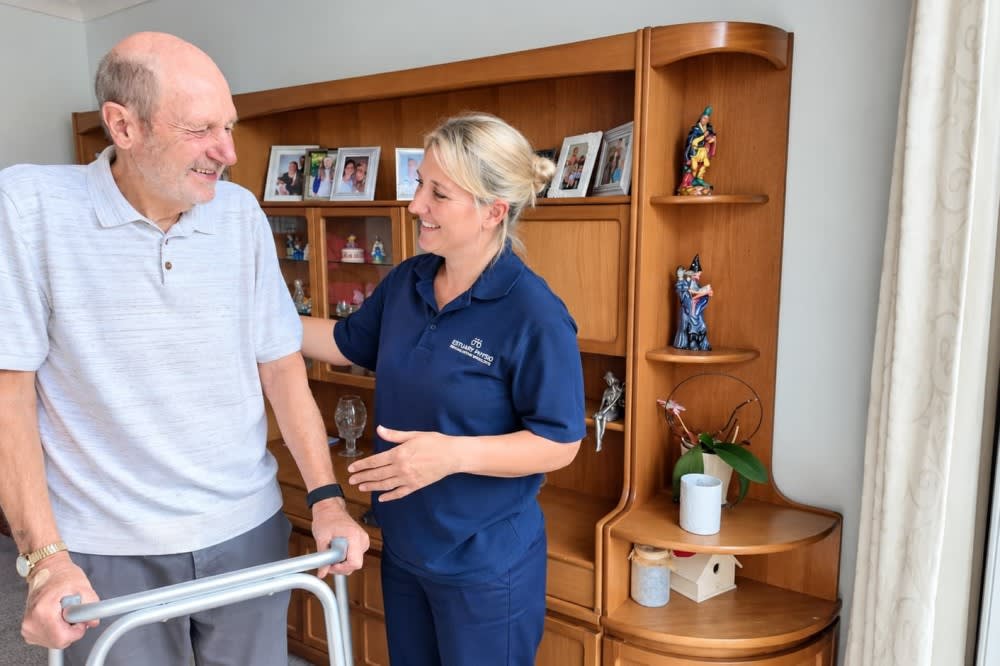
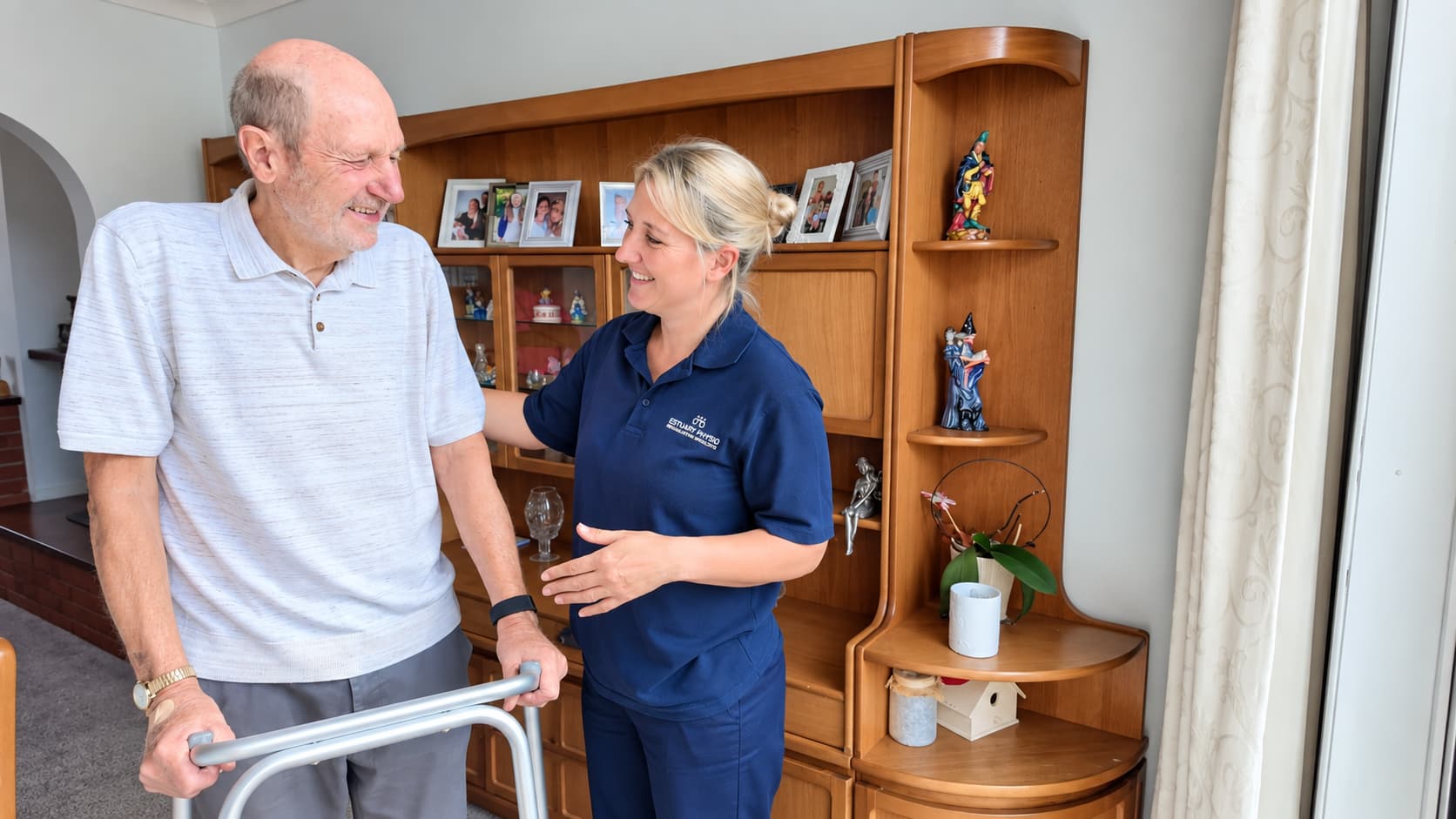
An example from our team’s clinical experience, with identifying details omitted. The hero photograph is not a photograph of this case. Individual circumstances and outcomes vary.
When Should You Seek Help Rather Than Wait?
I would encourage families to seek advice when they notice unsteadiness, near-misses or a change in walking confidence. There is no need to wait for another fall before discussing the problem.
A physiotherapy assessment may be helpful when someone is avoiding everyday movement, needing more assistance or unable to return to activities they value. A GP review can also identify medical contributors and whether a specialist falls service is appropriate.
When Does Medical Assessment Come First?
A new loss of mobility should not automatically be attributed to fear. Pain after an injury, blackouts, dizziness or acute illness may need medical assessment before activity is progressed.
Call 999 for emergency help
NHS advice is to call 999 after a fall if the person cannot get up or may have injured their head, back, neck or hip. Do not try to lift them yourself.
After fainting, call 999 if they have not fully recovered, have difficulty speaking or moving, chest pain or palpitations, or fainted during exercise. Call 999 if they are not breathing or cannot be woken within one minute.
Seek prompt medical advice for other concerns
Use NHS 111 after a fall if the person may be injured, in pain or unwell and there are no emergency features. A recent head injury while taking blood-thinning medication also needs urgent advice, even if they initially seem well.
Unexplained blackouts or recurring dizziness need medical review. Seek an urgent GP appointment or NHS 111 advice for new unusual tiredness, poor fluid intake with reduced urination, or persistent dizziness on standing. If the person is difficult to wake, call 999. Do not progress exercise while a new health problem is being assessed.
Dizziness during head movements can have several causes. A suitably trained physiotherapist may assess a vestibular problem, but a normal blood-pressure reading alone does not rule out other medical causes. See NHS advice on dizziness .
Medical guidance: NHS falls advice, NHS fainting advice and NHS head-injury advice and NHS dehydration advice.
What If the Fear Remains Despite Rehabilitation?
Persistent fear deserves review. We may need to adjust the activity, support or goals, investigate symptoms or involve another professional. For someone with a progressive condition, the priorities may include safer supported movement and maintaining valued activities as their needs change.
If anxiety remains distressing or limits daily life, discuss it with the GP. NICE falls guidance advises considering cognitive behavioural interventions when concerns about falling are not helped by strength and balance exercises.
Frequently Asked Questions
Should I push my parent to walk if they are frightened?
Start by understanding their concern and checking what is safe. Offer encouragement and choices within the agreed rehabilitation plan. Do not force movement or attempt unfamiliar transfers. If they have new pain or other concerning symptoms, seek appropriate advice first.
How long does it take to regain confidence after a fall?
There is no fixed timescale. Some people gain confidence through an early supported success; others need longer because of injury, ongoing symptoms or anxiety. Agree meaningful goals and review points. Our guide explains how physiotherapy frequency and progress should be reviewed .
What if my parent has dementia and is afraid to stand?
Communication, timing, familiar people and the environment may need adapting. Pain, illness and other contributors still need consideration. Our guide to physiotherapy for someone with dementia who struggles to follow exercises explains how treatment can be made more meaningful and manageable.
Can home physiotherapy help after a fall?
It can allow assessment in the places where your parent normally moves, using their usual seating and equipment. The therapist can consider practical goals and, where appropriate, train relatives or carers. Our guide explains how to arrange home physiotherapy for an older parent .
Help Your Parent Take the Next Achievable Step
The starting point is to understand the person’s fear, assess what is contributing and agree a manageable plan. Progress might initially mean one familiar activity feels easier or requires less help. Those changes can matter greatly to everyday life.
“What would help Mum or Dad feel safe enough to try the next achievable step?” This question keeps reassurance, practical support and the person’s own priorities together.
Estuary Physio provides home physiotherapy for older adults across Essex, London and selected surrounding areas. Our team can confirm coverage for your parent’s postcode.
Speak to Our Team About Confidence After a Fall
If your parent has become frightened to walk or is doing less after a fall, tell us what has changed. We can discuss whether physiotherapy appears appropriate and how an assessment could help identify the next step.
Talk Through Your Parent’s Situation